Engine Air Filter: When to Replace It and Why It Matters
A dirty engine air filter quietly kills your fuel economy and performance. Learn the warning signs, replacement intervals, and what happens if you ignore it.
Your engine needs three things to run: fuel, spark, and air. Most drivers think about the first two, but the air filter — the unsung gatekeeper of your engine — gets overlooked until something goes wrong. A clogged engine air filter is one of the cheapest problems to fix, yet one of the most expensive to ignore.
Here's everything you need to know about your engine air filter, straight from the technicians at West Point Transmission & Auto Care.
What Does the Engine Air Filter Do?
Your engine pulls in thousands of gallons of air every hour. That air carries dust, pollen, road debris, insects, and fine particles that would tear apart your engine's internal components if they got inside.
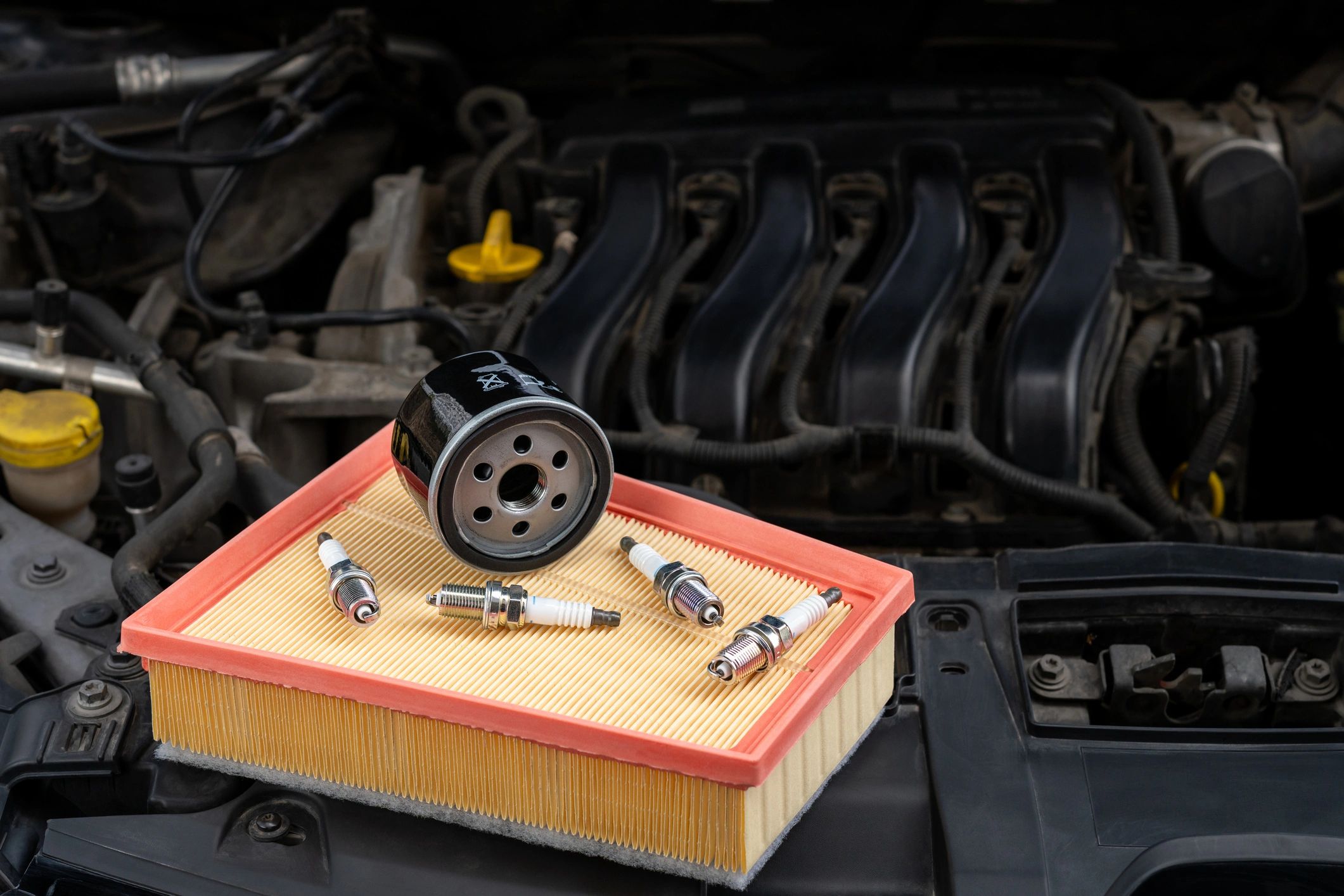
The engine air filter sits between the outside world and your intake manifold, trapping all of that contamination before it reaches your cylinders, pistons, and valves. It's a simple paper or cotton gauze element — but it's doing critical work every single mile you drive.
How Often Should You Replace It?
Most manufacturers recommend replacing the engine air filter every 15,000 to 30,000 miles, but that range varies significantly based on where and how you drive.
Replace sooner if you regularly drive in:
- Dusty or unpaved roads
- Heavy stop-and-go city traffic
- Construction zones
- Rural or agricultural areas
- Extreme heat or dry climates
You may be able to stretch the interval if you:
- Drive mostly on clean highways
- Live in a low-dust, moderate-climate area
- Drive a newer vehicle with a larger filter housing
When in doubt, have it inspected at every oil change. A visual check takes 30 seconds and tells you everything.
Warning Signs Your Air Filter Needs Replacing
Your car will usually give you signals before the filter becomes a serious problem. Watch for these:
Reduced Fuel Economy
A clogged filter restricts airflow to the engine. When the engine can't breathe properly, it compensates by burning more fuel to maintain power. If your MPG has dropped noticeably, a dirty air filter is one of the first things to check.
Sluggish Acceleration
You press the gas and the car hesitates or feels weak. That's your engine starving for air. A restricted intake means less combustion, which means less power reaching the wheels.
Check Engine Light
Modern vehicles monitor air-to-fuel ratios through oxygen sensors and mass airflow sensors. A severely clogged filter can throw off these readings enough to trigger a check engine light — typically a P0171 (system too lean) code.
Black Smoke or Strong Fuel Smell from Exhaust
When the air-fuel mixture is too rich (too much fuel, not enough air), unburned fuel exits through the exhaust. You may notice black smoke or a strong gasoline smell, especially at startup.
Engine Misfires or Rough Idle
Insufficient airflow disrupts the combustion cycle. This can cause the engine to misfire, run rough at idle, or stumble when you accelerate from a stop.
Visibly Dirty Filter
Pull the filter out and hold it up to light. A new filter is white or off-white. A filter that's gray, brown, or packed with debris needs to go — no further diagnosis required.
What Happens If You Ignore a Dirty Air Filter?
Skipping an air filter replacement isn't just a performance issue — it can lead to real mechanical damage over time.
Short-term consequences:
- Reduced fuel economy (up to 10% worse MPG)
- Loss of horsepower and throttle response
- Harder cold starts
Long-term consequences:
- Contaminated mass airflow (MAF) sensor — a $200–$400 repair
- Carbon buildup on intake valves and combustion chambers
- Premature wear on pistons, rings, and cylinder walls
- Catalytic converter damage from running rich
A $20–$40 air filter replacement can prevent hundreds of dollars in downstream repairs. It's one of the best returns on investment in all of automotive maintenance.
OEM vs. Aftermarket vs. Performance Filters
When it's time to replace, you have options:
OEM (Original Equipment Manufacturer): Exact match to what came in your car. Reliable filtration, correct fit, no surprises. Best choice for most drivers.
Aftermarket paper filters: Often cheaper than OEM, and quality varies. Stick to reputable brands like Fram, Purolator, or Bosch. Avoid no-name filters — the savings aren't worth the risk.
High-performance filters (K&N, aFe): Reusable cotton gauze filters that flow more air than paper. They can add a small amount of horsepower and last the life of the vehicle with proper cleaning. Best for performance-oriented drivers or those who want to reduce waste.
For most daily drivers, a quality OEM or aftermarket paper filter is the right call.
Import Vehicles: Don't Overlook Filter Quality
At West Point Transmission & Auto Care, we specialize in European and Asian imports — BMW, Mercedes-Benz, Audi, Honda, Toyota, and more. Import engines are often engineered to tighter tolerances than domestic vehicles, which means they're more sensitive to air quality and filter fit.
Using the wrong filter on a European vehicle can cause MAF sensor errors, rough running, and even void warranty coverage on newer models. Always use the correct OEM-spec filter for your make and model.
The Air Filter Is Part of a Bigger Picture
The engine air filter doesn't work in isolation. It's part of your vehicle's entire intake and fuel system. When we perform a tune-up or multi-point inspection, we check the air filter alongside:
- Spark plugs — worn plugs compound the effect of restricted airflow
- Fuel filter — a clogged fuel filter plus a clogged air filter is a recipe for poor performance
- PCV valve — controls crankcase ventilation; a failed PCV can contaminate the air intake
- Throttle body — carbon buildup here restricts airflow even with a clean filter
- Mass airflow sensor — dirty MAF sensors cause the same symptoms as a clogged filter
Addressing all of these together during a tune-up gives your engine the best possible foundation for performance and longevity.
How We Handle Air Filter Replacements
When you bring your vehicle to West Point Transmission & Auto Care, we don't just swap the filter and send you on your way. Our technicians inspect the entire intake system, check for any signs of contamination that may have passed through a damaged filter, and verify that the new filter is seated and sealed correctly.
We stock OEM-spec filters for a wide range of domestic and import vehicles at our Voorhees, NJ and Highland Falls, NY locations. Most air filter replacements take less than 15 minutes and can be done while you wait.
Conclusion
Your engine air filter is a small part doing a big job. Replacing it on schedule — or at the first sign of trouble — protects your engine, improves fuel economy, and keeps your car running the way it was designed to. It's one of the simplest, most affordable maintenance items on any vehicle.
If you're not sure when your filter was last replaced, bring your vehicle in for a free inspection. Our team will check it on the spot and give you an honest assessment — no pressure, no upsell.
Schedule your appointment online or call your nearest West Point Transmission & Auto Care location today.
Explore Topics
Written by
West Point Transmission & Auto Care
Content creator and writer sharing insights and stories.